A vintage fireplace clock does more than tell time. It sets a tempo for the room itself. Long before smartphones and silent LEDs, the vintage fireplace clock sat proudly above the hearth, marking hours with a measured tick that blended with crackling logs and low conversation. Even today, a well-chosen vintage fireplace clock brings a sense of permanence, anchoring a space that might otherwise feel unfinished.
Collectors and designers alike gravitate toward the vintage fireplace clock because it occupies a unique crossroads of function and artistry. It was never meant to be hidden away. From the beginning, the vintage fireplace clock was designed to be seen, admired, and relied upon, often becoming the most commanding object in the room.
Why the Vintage Fireplace Clock Became a Centerpiece
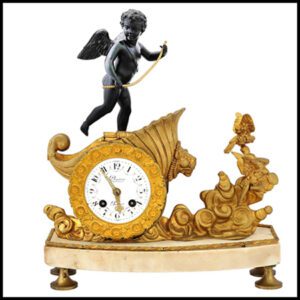
The fireplace has always been the symbolic heart of the home, and the vintage fireplace clock naturally claimed that prime real estate. Early households relied on precise timekeeping, making antique clocks essential tools rather than decorative afterthoughts. Positioned above the mantel, these clocks could be read from across the room, turning the vintage fireplace clock into both a visual and practical focal point.
Unlike many vintage clocks that lived on desks or shelves, the vintage fireplace clock was built to project authority. Larger cases, bold dials, and resonant chimes ensured it commanded attention. This is why collectors today still favor antique clocks designed specifically for mantel and hearth placement.
Antique Clocks and the Craftsmanship of the Hearth
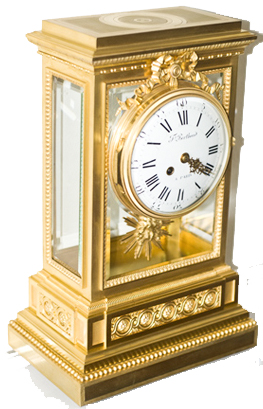
True antique clocks were produced during a period when craftsmanship mattered more than speed. A vintage fireplace clock from the 19th or early 20th century often features hand-finished movements, solid brass components, and cases made from marble, slate, ormolu, or carved hardwood.
What separates a vintage fireplace clock from other antique clocks is its architectural presence. These pieces were designed to visually balance the fireplace surround, often mirroring columns, arches, or decorative moldings. It is this harmony that keeps antique clocks from this category in high demand among serious collectors.
Vintage Clocks That Tell a Story
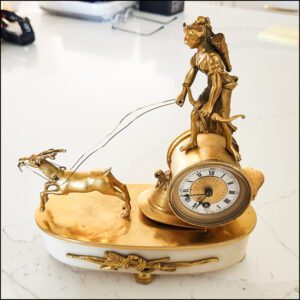
All vintage clocks tell time, but a vintage fireplace clock tells a story. Many were passed down through generations, witnessing family gatherings, celebrations, and quiet evenings by the fire. That lived-in history is part of the appeal and a key reason vintage clocks feel warmer than modern reproductions.
Collectors often note that vintage clocks designed for fireplaces tend to age gracefully. Patina forms naturally, materials mellow, and the clock gains character without losing dignity. A vintage fireplace clock never feels outdated; it feels established.
Vintage Mantel Clocks and Fireplace Placement
While the terms are sometimes used interchangeably, vintage mantel clocks occupy a specific niche within the broader category. A vintage fireplace clock is a form of vintage mantel clocks, but one specifically scaled and styled for hearth placement.
The best vintage mantel clocks designed for fireplaces feature wide bases, balanced proportions, and cases that visually anchor them above the mantel. Many vintage mantel clocks were intentionally weighted to sit securely, ensuring stability even in homes where the fireplace was used daily.
Design Styles That Define the Vintage Fireplace Clock
Over the decades, the vintage fireplace clock evolved alongside architectural trends. French designs leaned toward ornate detail, while American makers favored restrained elegance. Art Deco brought geometric clarity, while earlier Victorian examples embraced embellishment.
What remains constant is the purpose. A vintage fireplace clock is meant to frame the hearth, not compete with it. This balance is why collectors of antique clocks often recommend fireplace examples as first acquisitions. They offer visual impact without overwhelming the room.
Collecting a Vintage Fireplace Clock Today
When sourcing a fireplace clock, condition and originality matter. Look for intact movements, unaltered dials, and cases free from major restoration. Among antique clocks, fireplace examples often retain value better due to their size, presence, and continued relevance in modern interiors.
Many collectors intentionally seek vintage clocks that still function mechanically, appreciating the ritual of winding. A working vintage clock brings motion and sound back into the home, something few modern devices offer.
Why Vintage Fireplace Clocks Remain in Demand
Interior trends change, but the vintage clock remains remarkably immune to fashion cycles. Whether placed in a traditional setting or used as contrast in a modern space, the fireplace clock adds gravitas and warmth.
As interest in antique clocks continues to grow, fireplace examples are increasingly sought after. Designers favor them, collectors compete for them, and homeowners appreciate their ability to transform a room instantly.
The Enduring Appeal of the Fireplace Clock
A vintage clock is not simply an object; it is an anchor. It grounds the room, connects past to present, and turns the hearth into a true focal point once again. Among vintage clocks, few pieces carry as much presence or quiet authority.
For those seeking authenticity, craftsmanship, and history in one enduring form, the vintage clock remains unmatched.
WHAT YOU MAY NEED TO KNOW, IF SELLING YOUR ANTIQUE CLOCK
