


If clocks had social lives, table clocks would be the ones leaning casually against the piano, sipping something expensive, and judging wall clocks for trying too hard. These compact timekeepers do not shout. They whisper. And somehow, that whisper carries across the entire room.
Unlike their wall-mounted cousins, table clocks thrive on intimacy. They sit at eye level. They invite inspection. They reward curiosity. A glance turns into a conversation, and the next thing you know, you are late because you stopped to admire a dial.
WHY TABLE CLOCKS REFUSE TO BE BORING
There is something deeply amusing about how table clocks command attention without ever demanding it. They do not need height. They do not need grandeur. They simply exist, confidently occupying a shelf, desk, or sideboard like they paid rent.
The appeal of table clocks lies in their versatility. Today they perch on a writing desk. Tomorrow they migrate to a bookshelf. Next week they reign over the dining room buffet like a benevolent monarch. A wall clock never gets that kind of freedom.
Collectors know this truth well. A single mantel clock can set the tone of an entire room, while mantel clocks as a group create a chorus of ticking personalities. Meanwhile, the dignified mantlepiece clock stands by politely, pretending not to notice it is stealing the show.
THE GREAT MANTEL DEBATE
Language gets tangled when discussing classic clocks, and that is half the fun. The mantlepiece clock brings an air of old-world formality, as if it expects tea to be served promptly at four. A mantel clock, on the other hand, feels slightly more relaxed, willing to share shelf space with books and the occasional framed photo.
Then come mantel clocks, plural, which is where things get interesting. One is tasteful. Two is intentional. Three suggests a collector who has lost control in the most respectable way possible. Pair them with table clocks, and suddenly the room feels curated rather than cluttered.
The beauty is that table clocks happily coexist with every variation. They do not argue about terminology. They just keep time and let humans debate spelling.
WHY SIZE ACTUALLY MATTERS
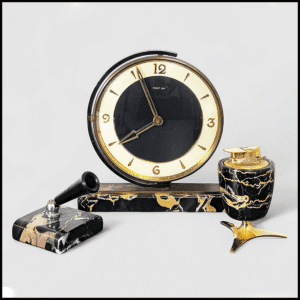
Part of the charm of table clocks is scale. Big enough to impress. Small enough to move without calling for assistance. This balance makes them irresistible to collectors who enjoy rearranging their spaces until everything feels just right.
A stately mantel clock can anchor a fireplace, while mantel clocks spread across a shelf create rhythm. Slip in a mantlepiece clock, and suddenly the arrangement looks intentional rather than accidental. Add table clocks to the mix, and the display gains personality.
This adaptability explains why table clocks have survived trend after trend. Minimalist decade? They fit. Maximalist moment? They shine. Somewhere between modern and traditional? They practically invented that territory.
THE HUMOR OF OWNING TOO MANY CLOCKS
There is a specific joy that comes with owning multiple table clocks. Guests notice. Conversations start. Someone inevitably asks why there are three clocks within arm’s reach. You answer calmly, as if this were the most reasonable decision anyone has ever made.
A well-placed mantel clock suggests refinement. Several mantel clocks suggest confidence. A proud mantlepiece clock adds just enough seriousness to make the whole thing look deliberate. And when table clocks fill in the gaps, the room feels alive.
Collectors understand that timekeeping is secondary. The real purpose of table clocks is atmosphere. They create warmth. They hint at stories. They quietly announce that someone here appreciates craftsmanship.
COLLECTING WITHOUT APOLOGY
True enthusiasts never apologize for their affection for table clocks. They know these pieces are functional art. A single mantel clock can evoke a century. A group of mantel clocks can tell a story without saying a word. A well-chosen mantlepiece clock adds gravitas.
And yes, table clocks happen to be available for those ready to start or expand a collection. Acquiring one often leads to acquiring another, which somehow leads to rearranging furniture at midnight. This is normal behavior.
WHY TABLE CLOCKS ALWAYS WIN
In the end, table clocks succeed because they refuse to choose between usefulness and charm. They do both, effortlessly. They tick. They glow. They sit patiently, waiting to be noticed again.
Whether paired with a refined mantel clock, surrounded by mantel clocks, or sharing space with a dignified mantlepiece clock, table clocks hold their own. They do not compete. They complement.
Time passes. Trends fade. Yet the table clock remains, quietly measuring moments while looking exceptionally good doing it.
