

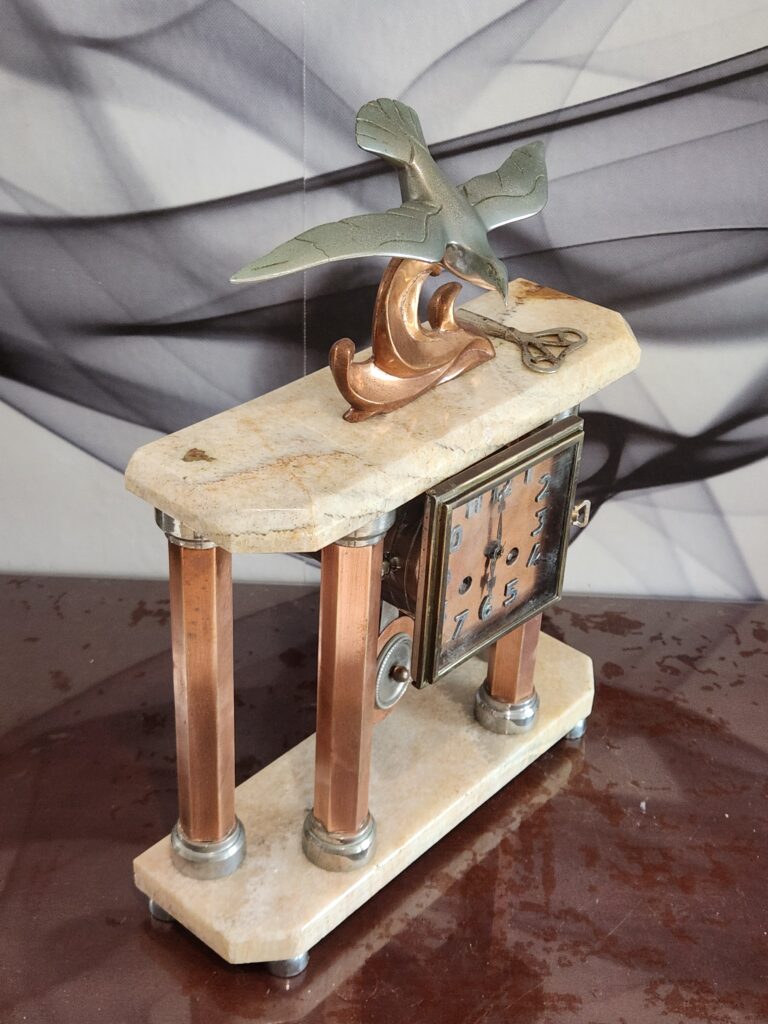
The Warm Appeal of the Antique Table Clock in Today’s Homes
There’s something instantly grounding about an antique table clock—a small but powerful piece of history that sits quietly on a desk, shelf, or console and adds character without saying a word. People often think of wall clocks or large mantel clocks when picturing antiquity, but the antique table clock fills a more intimate role. It’s a companion piece, a desk sentinel, and, for collectors, a beautifully functional investment. Whether you’re decorating a study, refreshing a living room, or building a serious collection, the antique table clock consistently proves that good design stands the test of time.
Why the Antique Table Clock Still Matters
The charm of an antique table clock begins with its scale. Unlike a towering hall clock or an ornate mantelpiece clock, a table clock is accessible and personal. You interact with it more directly—winding it, setting it, and letting it accompany your daily routines. This personal connection is one of the many reasons collectors gravitate toward the antique table clock, especially in an age when digital screens dominate our attention.
Another compelling factor is craftsmanship. Many table clocks from the 18th, 19th, and early 20th centuries were made by hand, often by small workshops or individual makers. Brass bezels, enamel faces, beveled glass, hand-turned feet, and decorative finials all contribute to the elegance and value of an antique table clock. In some cases, the same artisans who produced elaborate old clocks for wealthy households also created compact table editions for travel, writing desks, and parlors.
Finding Style Through Antique Table Clocks
One of the pleasures of collecting or displaying an antique table clock is discovering the stylistic era that suits your home. Victorian pieces tend to be ornate with carved wood or engraved brass. Art Deco table clocks lean toward geometric shapes, lacquered surfaces, and strong symmetry. Early American versions may feature simpler wooden cases, while French table clocks often boast gilt bronze, porcelain insets, and classical motifs.
Regardless of the style you prefer, an antique table clock introduces warmth and heritage to any interior. Even in minimalist or modern homes, the clock becomes a focal point—its patina offering contrast against clean lines and contemporary materials.
Why Collectors Also Love the Mantelpiece Clock
Collectors frequently pair a table clock with a well-chosen mantelpiece clock, allowing the two to complement each other. While the antique table clock brings intimacy, the mantelpiece clock often establishes presence. You might see both used in the same room to create depth and balance. Many enthusiasts begin by acquiring a small table clock and later expand their collection to include a matching or era-consistent mantelpiece clock, forming a cohesive decorative theme.
Old Clock Mechanics and What to Look For
Mechanical movements in an antique table clock can range from simple time-only mechanisms to striking or chiming complications. When evaluating any old clock, it is wise to look for original components: the movement, dial, glass, hands, and finish. Alterations or replacements don’t necessarily ruin value, but original condition almost always elevates desirability.
A beautifully preserved antique table clock may still feature its maker’s signature, serial numbers, or manufacturing marks. These details provide authenticity and help date the piece accurately. Collectors of old clocks know that even small elements—like the hinge quality or screw type—can reveal the clock’s age and origin.
Decorating With Antique Table Clocks
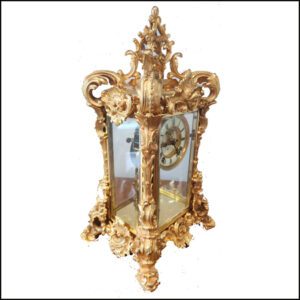
Placement is key. An antique table clock looks exceptional on a writing desk, console table, bedroom chest, or library accent shelf. Pairing it with books, framed photos, or vintage accessories enhances the historical mood. If your décor already includes an old clock of another type, intentionally coordinating finishes—such as brass with brass or dark walnut with mahogany—creates a sophisticated, curated feel.
You can also rotate pieces seasonally. A bright porcelain or gilded antique table clock may suit spring décor, while a rich wooden one complements autumn. These subtle shifts keep your home’s atmosphere feeling fresh while still honoring the clock’s historical significance.
A Timeless Collectible With Daily Utility
Functionally, the antique table clock solves a modern problem: it gives you time at a glance without requiring a phone. Many collectors find that having a silent, non-digital timekeeper on their desk feels calming and even grounding. It reconnects you to a slower rhythm, one where craftsmanship and intention matter more than speed.
With proper care—light oiling, gentle cleaning, and professional servicing as needed—an antique table clock can last not just one lifetime but several. It becomes an heirloom, a conversation piece, and a reminder that beauty and utility don’t have to be separate ideas.
This is a lovely Art Nouveau antique clock
