

Why Collectors Value an Antique Small Clock
An antique small clock is more than just a way to tell time; it is a piece of history, craftsmanship, and artistry that continues to enchant collectors and homeowners alike. The charm of these clocks lies not only in their compact size but also in the stories they carry, often spanning generations. Each antique small clock showcases the detailed handiwork of skilled artisans who dedicated their craft to producing pieces that would endure the passage of time.
For collectors, the pursuit of a fine antique small clock represents a connection to the past. Unlike modern timepieces that are mass-produced, antique clocks embody individuality. No two are exactly the same, whether due to design, patina, or the natural aging process of their materials. For those who cherish heritage, owning one is like holding a miniature heirloom of history.
The Historical Role of the Antique Small Clock
In centuries past, clocks were not merely household objects; they were symbols of status and innovation. Larger clocks often dominated grand halls, but the antique small clock served a unique purpose. Its size allowed it to fit neatly onto mantels, writing desks, or shelves, making it both functional and decorative. These clocks were especially prized during the 18th and 19th centuries, when advancements in mechanics and artistry merged to create truly exquisite timepieces.
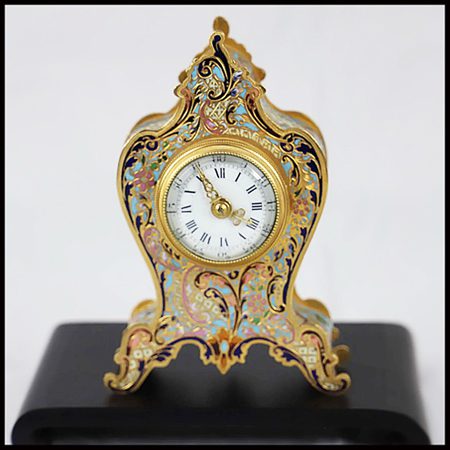
The antique small clock often reflected the fashion of its era. Some featured ornate gilded cases with delicate hand-painted details, while others were crafted with simpler wooden casings, appealing to those with more modest tastes. Their portability meant they could move from one room to another, serving both as a timekeeper and as an accent piece that complemented a home’s interior.
Decorative Appeal in Modern Homes
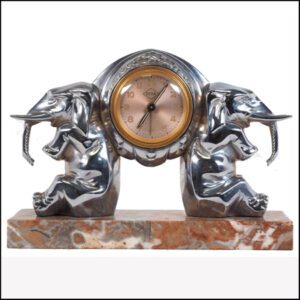
Today, the small clock retains both its decorative value and historic significance. Homeowners and interior designers frequently use these pieces to add charm and personality to a room. Whether placed on a mantel, nestled among books on a shelf, or displayed in a glass cabinet, an antique clock can act as a focal point that draws attention.
The appeal of decorating with these clocks lies in their ability to blend with multiple styles. In a traditional home, an antique small clock enhances the sense of old-world sophistication. In more modern settings, the contrast between sleek furniture and the warm character of an antique clock creates a striking balance. Even in minimalist décor, a single antique clock can serve as a striking statement piece, demonstrating that timeless beauty never goes out of style.
Collecting Antique Small Clocks as an Investment
Beyond decoration, the small clock can be a rewarding investment. Many collectors find that well-preserved pieces appreciate over time, particularly those crafted by notable clockmakers or featuring unique design elements. Like all antiques, condition, rarity, and provenance determine the worth of a small antique clock.
Regular maintenance is key to preserving their value. This includes careful cleaning, professional servicing of the movement, and proper storage in a location away from extreme temperatures and humidity. A well-kept clock not only retains its financial worth but also continues to delight future generations.
How to Identify Quality in an Antique Clock
For those entering the world of clock collecting, identifying quality is essential. Pay close attention to craftsmanship, materials, and originality. A genuine antique clock will exhibit signs of age but should still display meticulous craftsmanship. Examine the case for details, from hand-carved designs to fine inlays, and inspect the mechanism for traditional techniques such as verge escapements or fusee chains.
Authenticity is equally important. Many reproductions exist, so learning to distinguish genuine antiques from modern imitations is crucial. Consulting trusted dealers, reading specialized guides, and joining collector communities are excellent ways to gain knowledge.
The Emotional Value of an Antique Clock
The most significant value of an antique clock is emotional. These clocks often serve as heirlooms, passed down through families, carrying memories and stories along the way. For some, the ticking of a beloved clock evokes memories of time spent with grandparents or parents, while for others, it marks personal milestones tied to the passage of time.
Owning an antique small clock connects us to history in a personal way. Each tick is not just a measurement of seconds but a reminder of the enduring beauty of craftsmanship, patience, and artistry. Whether cherished as a family treasure or displayed proudly in a collection, these clocks remain timeless keepsakes that bridge the past and present.
